How does the bonded warehouse work?
A bonded warehouse is a special warehouse under customs supervision where goods can be stored without immediately being treated as imported. This means that neither customs duties nor import VAT are payable initially; the duties are merely deferred.
What is a bonded warehouse?
A bonded warehouse is a secure storage facility that is under the control of the customs authorities. Goods stored there are in what is known as ‘transit status’. This means that although they are physically stored within the country, they are still legally considered not to have been imported. This offers a key advantage for businesses and investors: taxes and duties are only payable once the goods are actually brought into a country’s economic circulation.
How does a bonded warehouse work?
The basic principle is simple:
- Goods are delivered to a bonded warehouse
- They remain there in transit status
- No immediate customs duties are payable
As long as the goods remain in the warehouse or are resold directly without entering free circulation, no import duties are incurred. There is generally no limit on the duration of storage, which provides additional flexibility, particularly for international trade and investment strategies.
Value Added Tax (VAT), benefits and an example
VAT is not incurred at the time of purchase, but only when goods enter a country’s economic cycle. In a bonded warehouse, this point in time is deliberately deferred: as long as the goods are stored there or resold within the warehouse, no VAT is payable. It is only upon physical delivery to the owners that the goods are deemed to have been imported and become subject to tax.
This results in key advantages: companies and investors benefit from a tax deferral, as customs duties and import VAT are payable only later, or not at all. At the same time, the capital employed remains fully invested (liquidity advantage), and goods can be traded flexibly within the warehouse without tax consequences. Furthermore, duty-free warehouses are subject to strict legal requirements, including regulatory oversight, regular inspections, insurance of the goods’ value and transparent stock records.
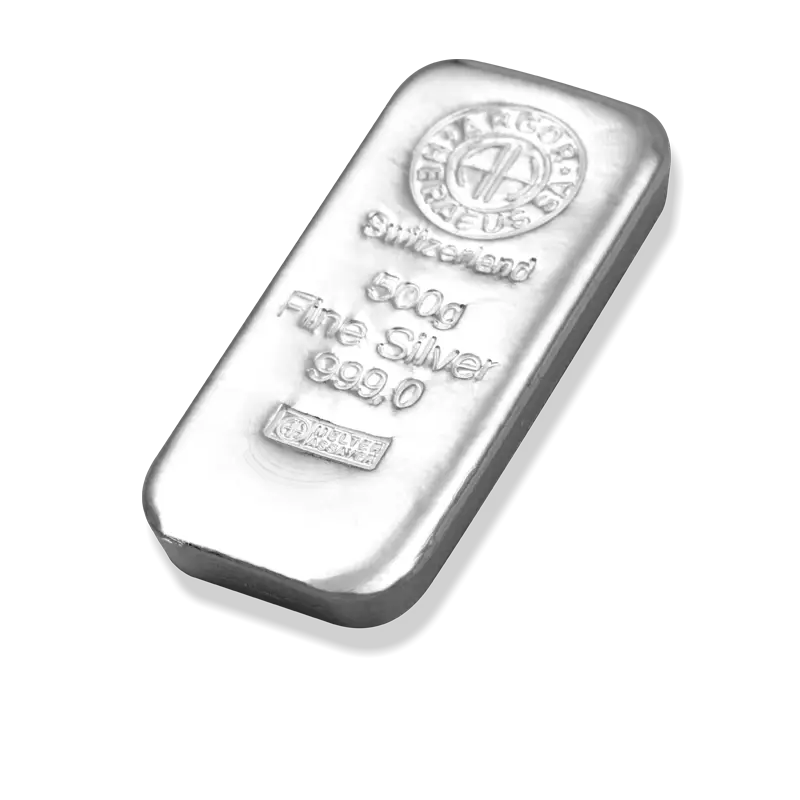
The benefits are particularly evident when considering precious metals such as silver, platinum and palladium. Whilst import VAT would normally be payable in such cases, this can initially be avoided by storing the metals in a bonded warehouse. As a result, the entire capital remains tied up in tangible assets and the basis for returns is optimised. The prerequisite is that the precious metals originate from abroad, are clearly attributable to a specific owner and are stored separately from goods in free circulation.
Conclusion: A bonded warehouse allows goods to be stored without them being immediately classified as imported. VAT is only payable upon actual delivery. This model offers tax deferral or exemption, particularly for silver, platinum and palladium. At the same time, clear rules and high security standards ensure transparency and protect the stored assets.