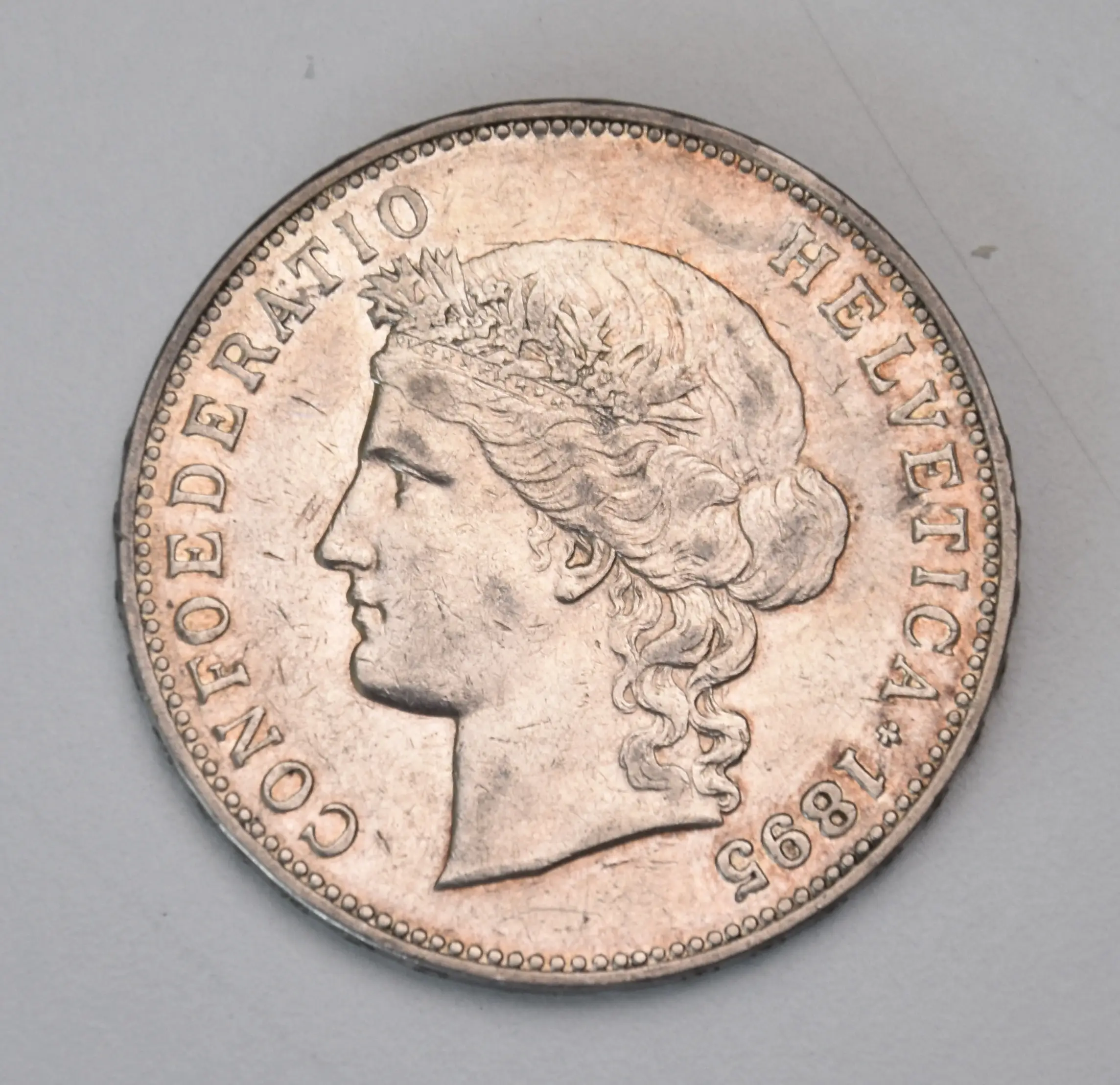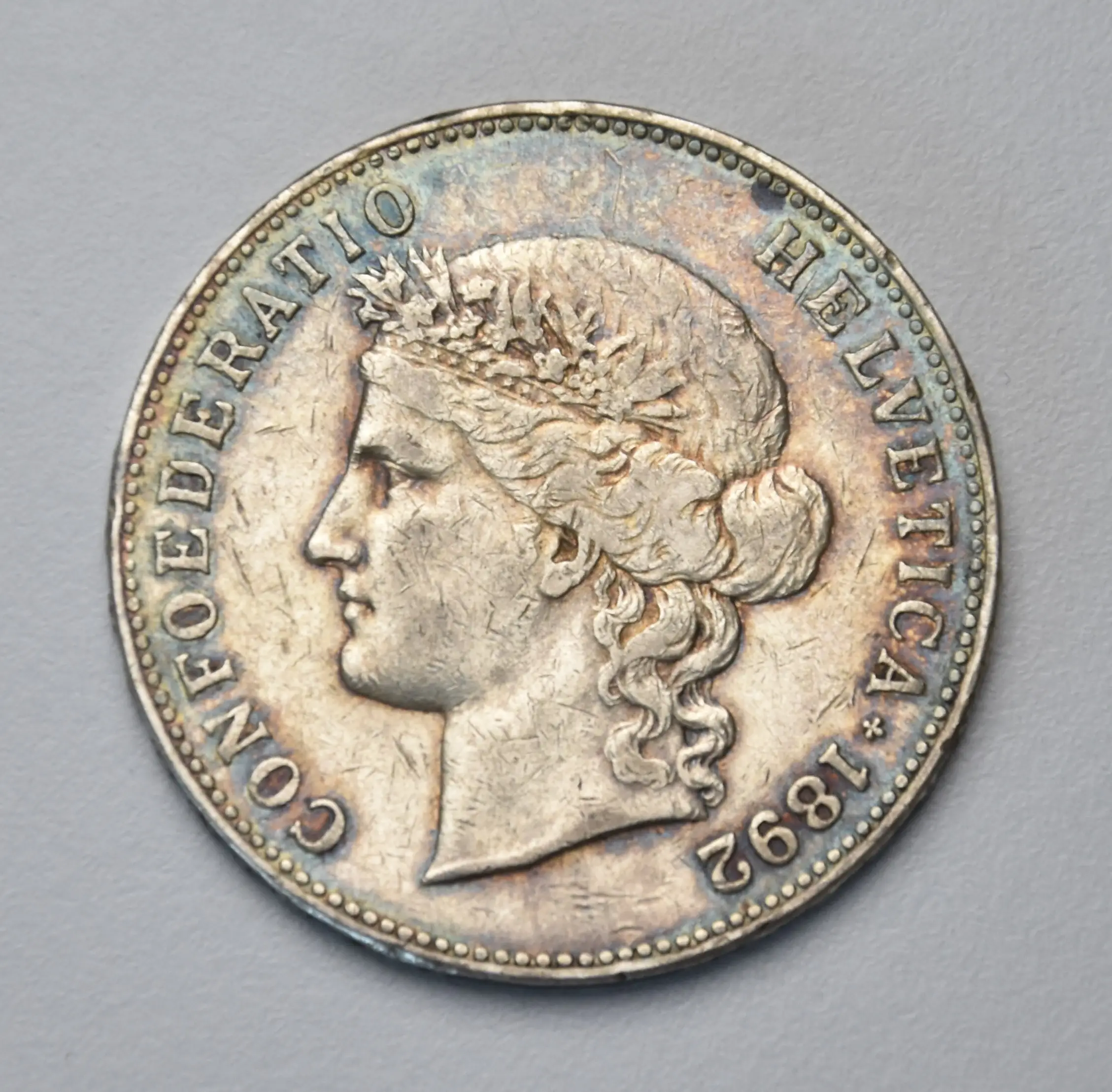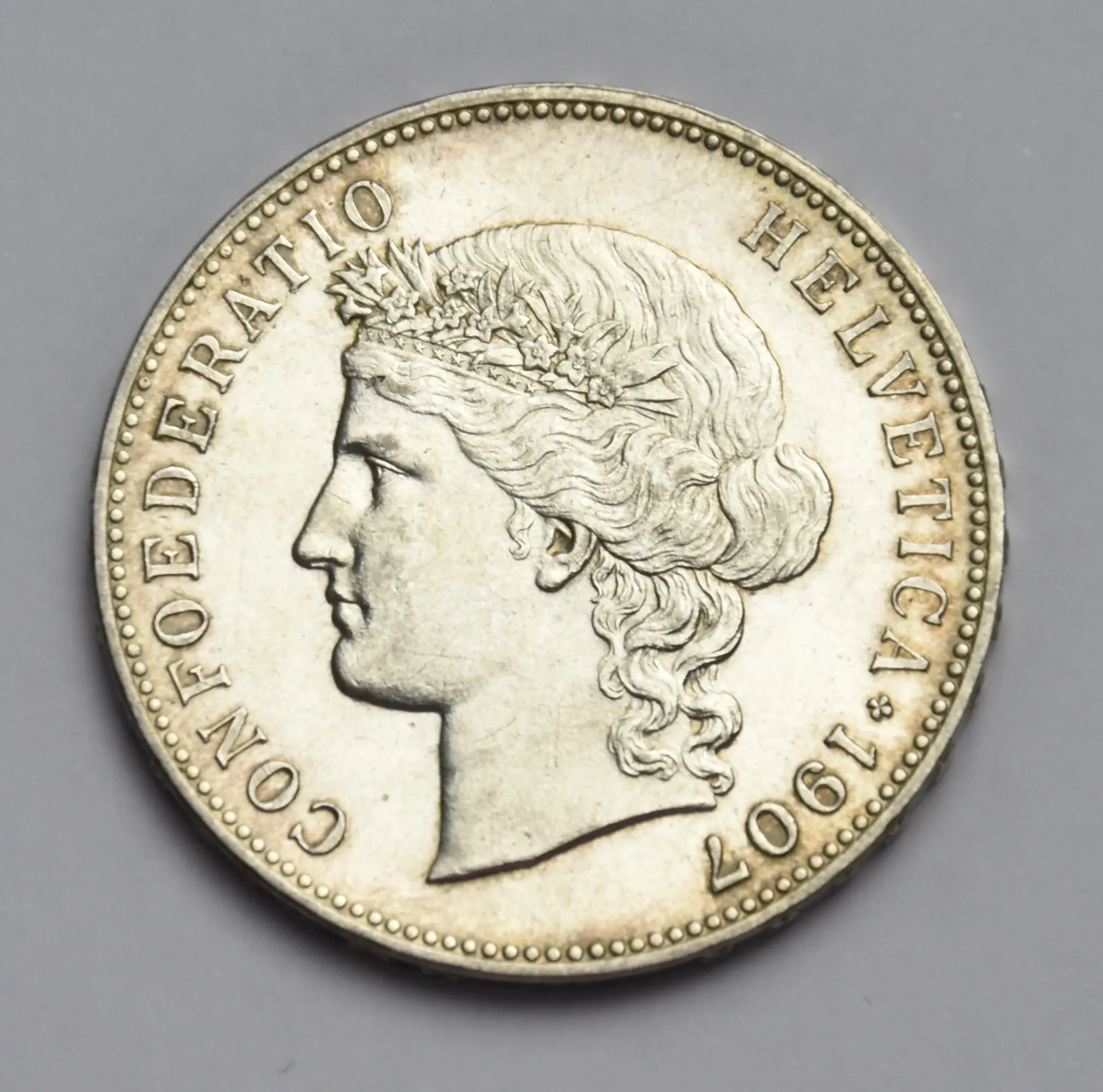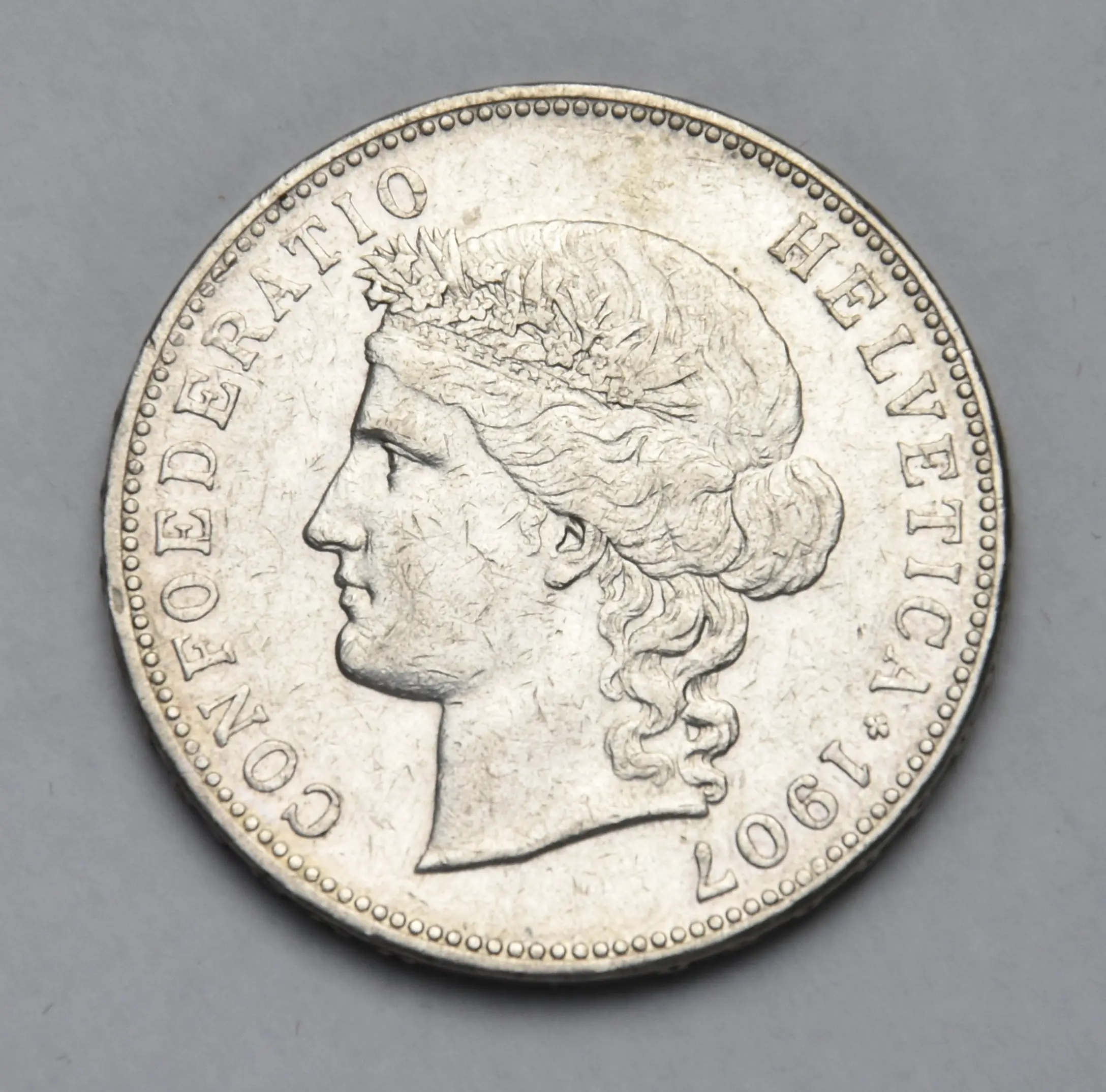
What is numismatics?
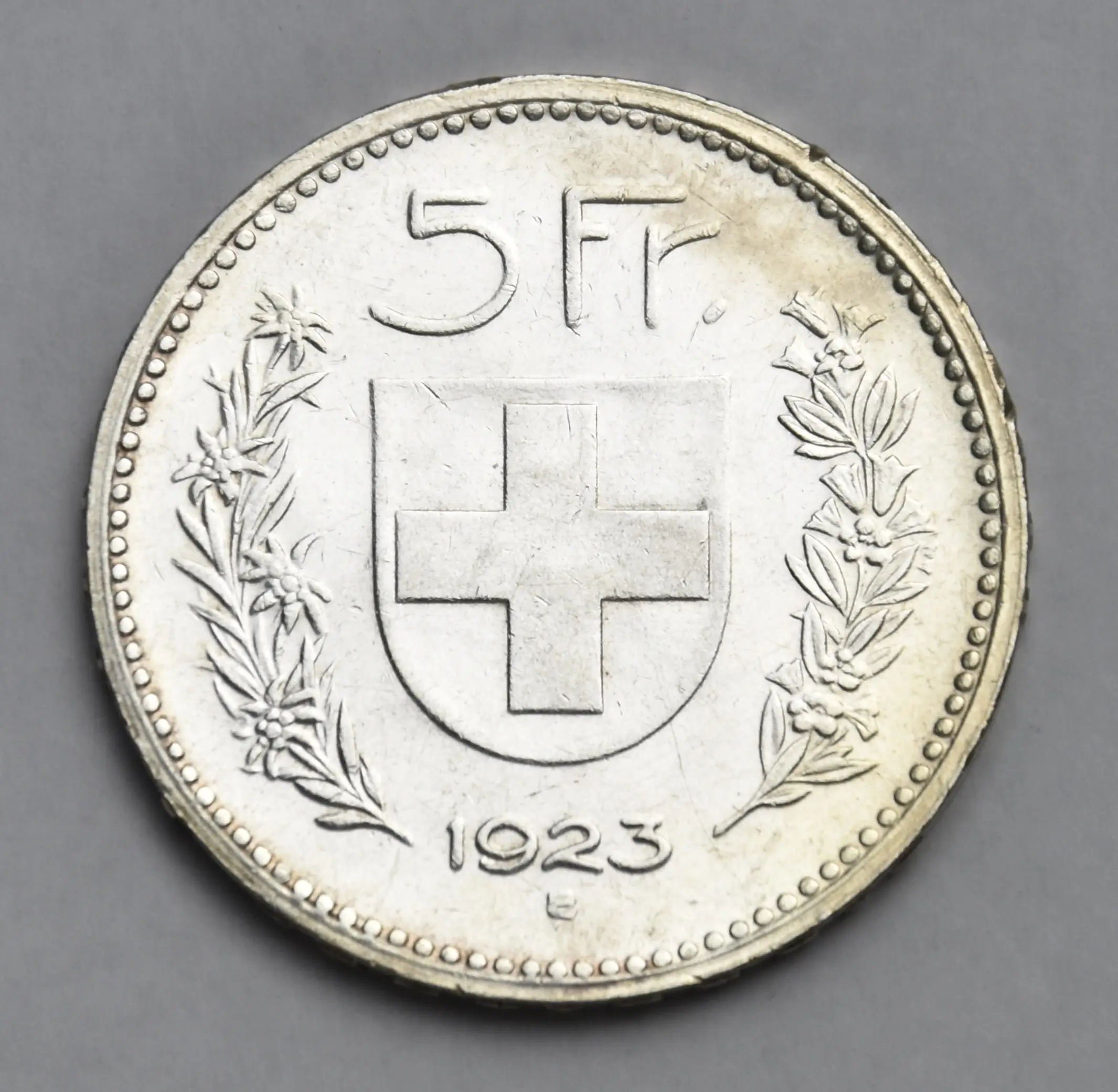
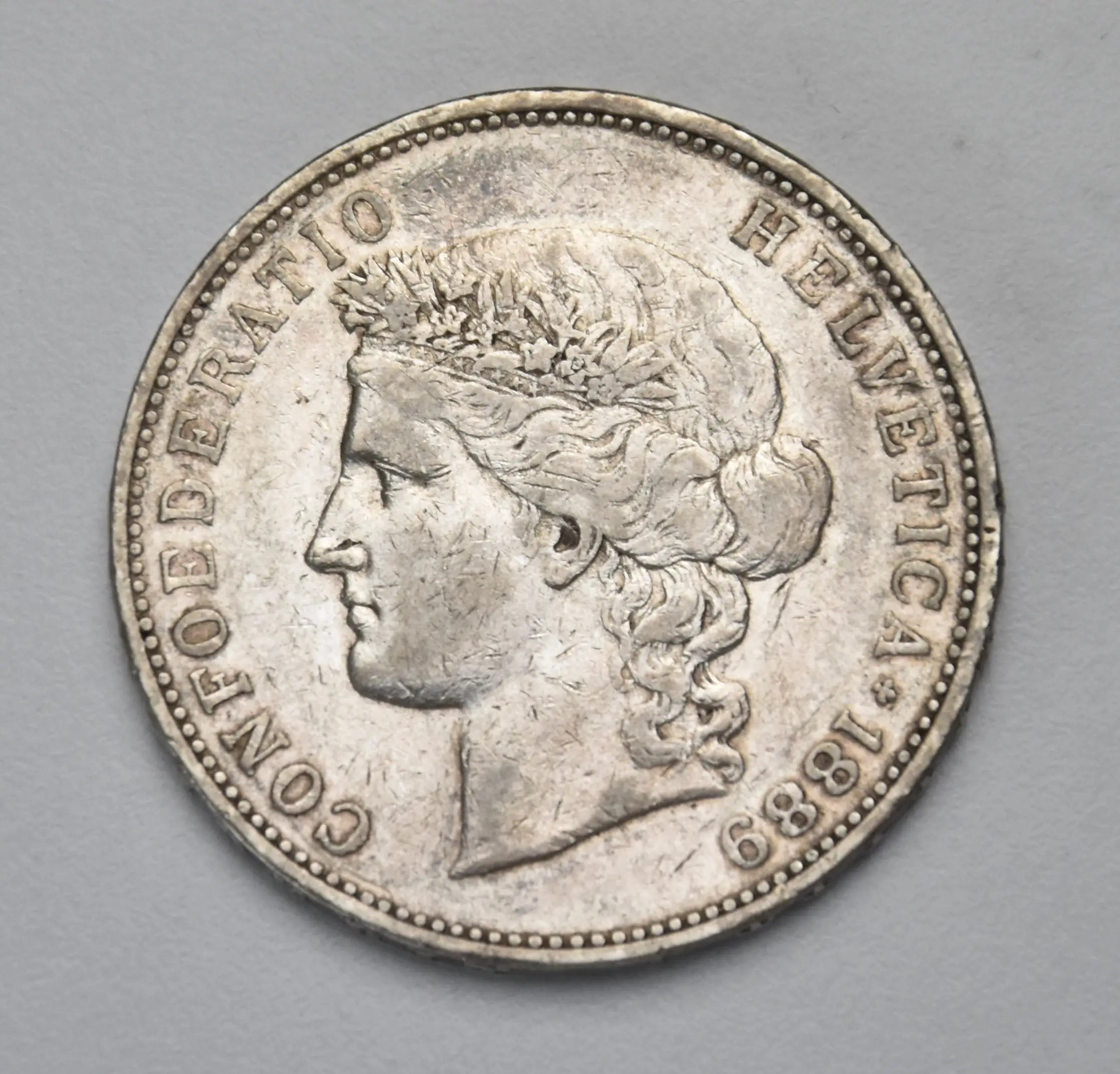
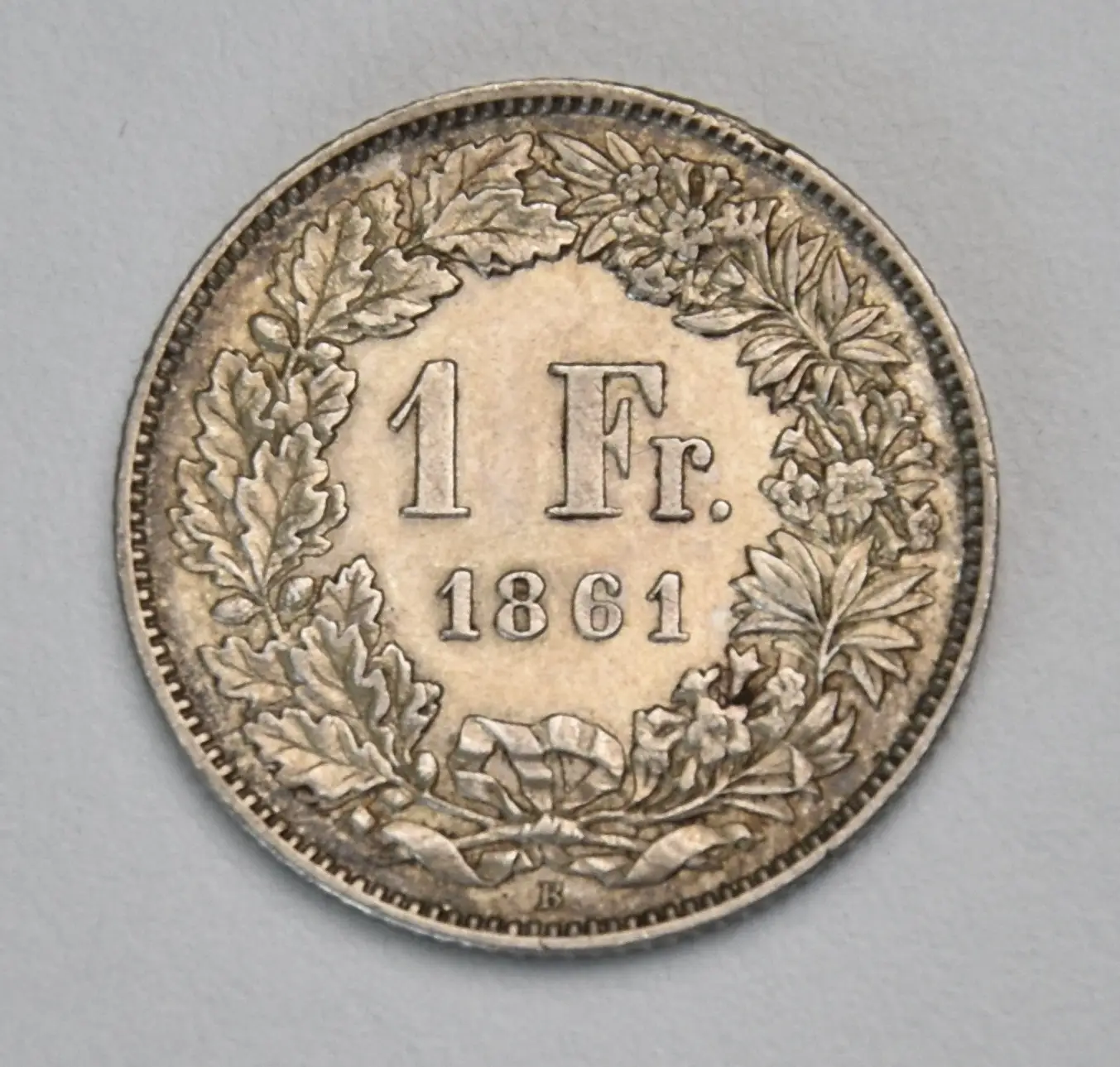
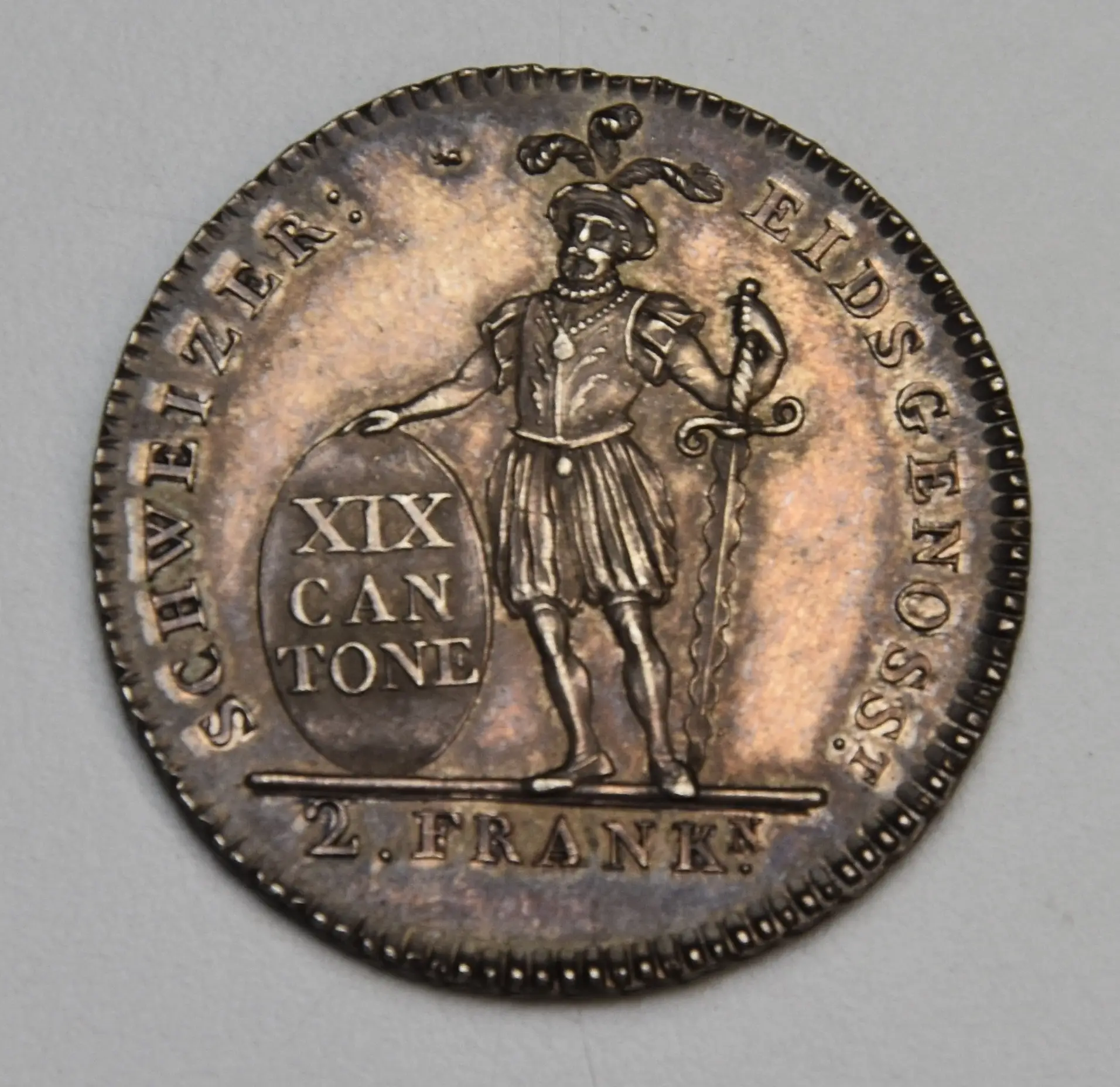
Numismatics is the study of coins, medals and other forms of currency. It examines their origin, material, design and historical context, and thus goes far beyond mere collecting.
More than just collecting coins
The term ‘numismatics’ is unfamiliar to many and is often equated with coin collecting. In fact, however, it describes the systematic analysis of coins and other forms of currency. The focus is not merely on the individual object, but on its place within broader economic, political and social contexts.
Coins serve as a medium for information. Their origin, date of minting, material and design provide insights into the historical context. This allows us to trace developments that go far beyond their original function as a means of payment.
Coins and their historical significance
Coins reflect the conditions of the era in which they were minted. Images, inscriptions and changes in metal composition provide insights into power structures, economic conditions and reforms. Taken together, they offer a concise overview of historical developments over extended periods of time.
In addition to their historical significance, the material aspect also plays a role. Coins have a metal value and often an additional collector’s value, which depends on their rarity, condition and demand. These values develop independently of one another. Numismatics itself, however, focuses on analysis and classification, not on short-term price trends.
Conclusion
Numismatics is the scientific study of coins as historical and economic artefacts. It goes beyond mere collecting and provides a sound understanding of history, monetary systems and material values.